KEY TAKEAWAYS
- The composite vs wood deck decision should guide which type of builder you hire.
- Composite installers must follow manufacturer guidelines, or your warranty may not be honored.
- Wood deck specialists excel at natural species, custom finishes, and lower upfront costs.
- Pennsylvania home improvement contractors generally must register with the state Attorney General.
- Most deck projects need a municipal permit and inspection under Pennsylvania’s building code.
- Large upfront deposits, cash-only deals, and missing written contracts are serious red flags.
Why the Builder Matters as Much as the Boards
Many deck problems that show up years later have little to do with the material. They come down to how the deck was built. That is why the composite vs wood deck question is really two questions: which material suits your home, and which builder knows that material inside and out.
Some contractors focus on composite decking and work closely with the major manufacturers. Others are wood deck specialists who know lumber species, fasteners, and finishes better than anyone. In this guide, you will learn how the two compare, which one fits your goals, how to vet licensed deck contractors in Pennsylvania, and the red flags that should end a conversation fast.
Composite vs Wood Deck: What’s the Real Difference?
Before you compare builders, it helps to understand the core differences between wood and composite what each one works with every day.
Composite Decking
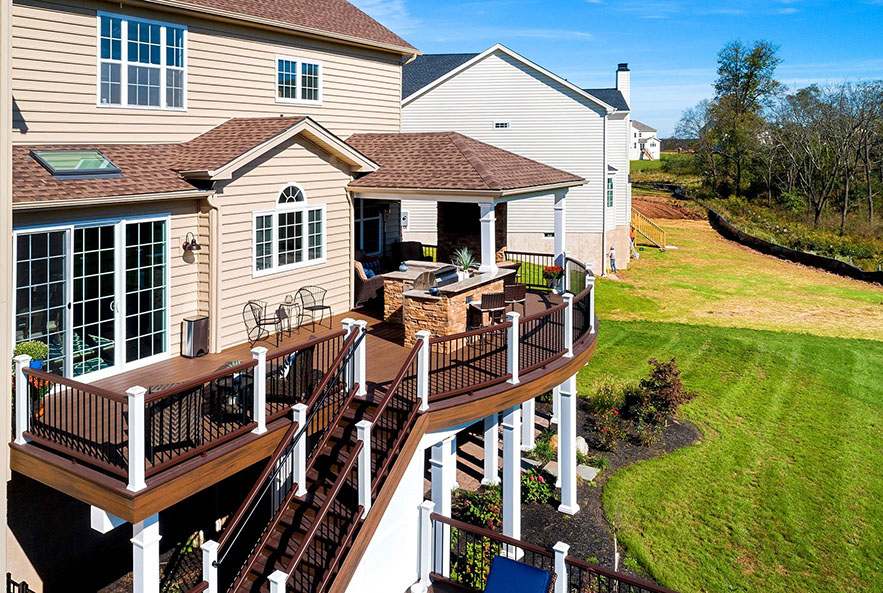
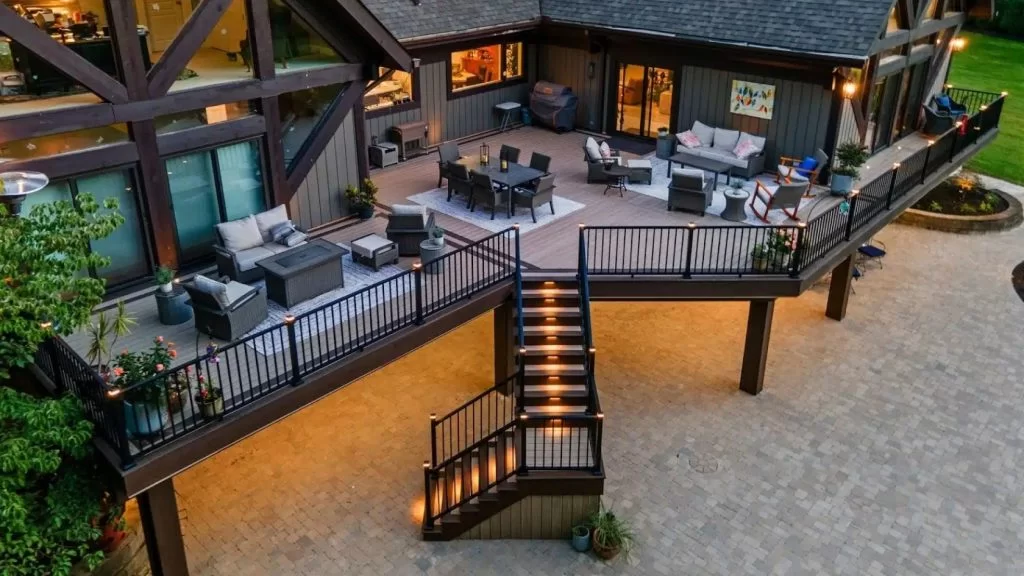
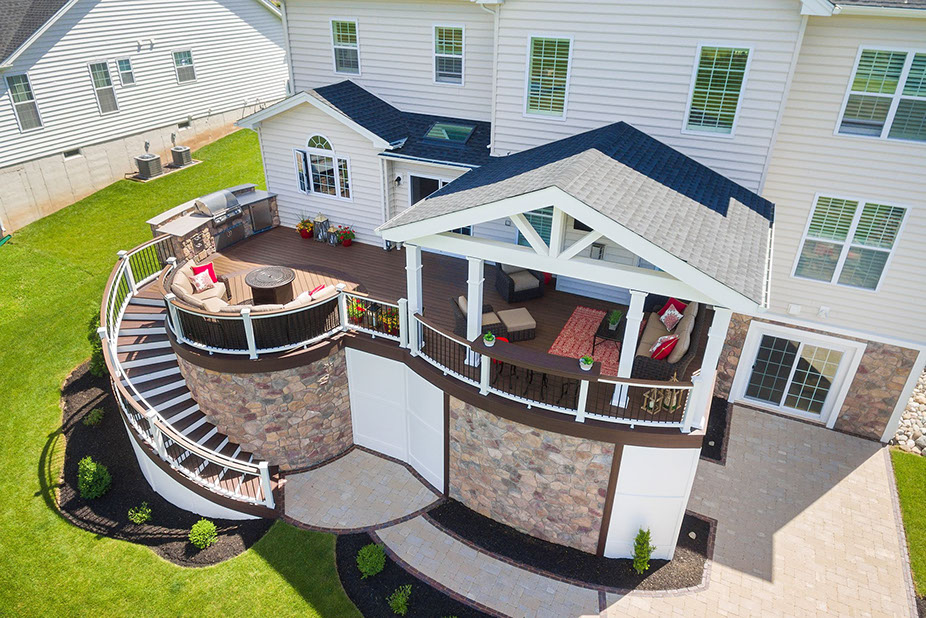
Composite boards are made from a blend of wood fibers and plastic. Most newer products are “capped,” meaning they have a protective outer shell that resists stains, fading, and moisture. Composite does not need staining or sealing, but it costs more upfront and can get hot in direct summer sun.
Wood Decking
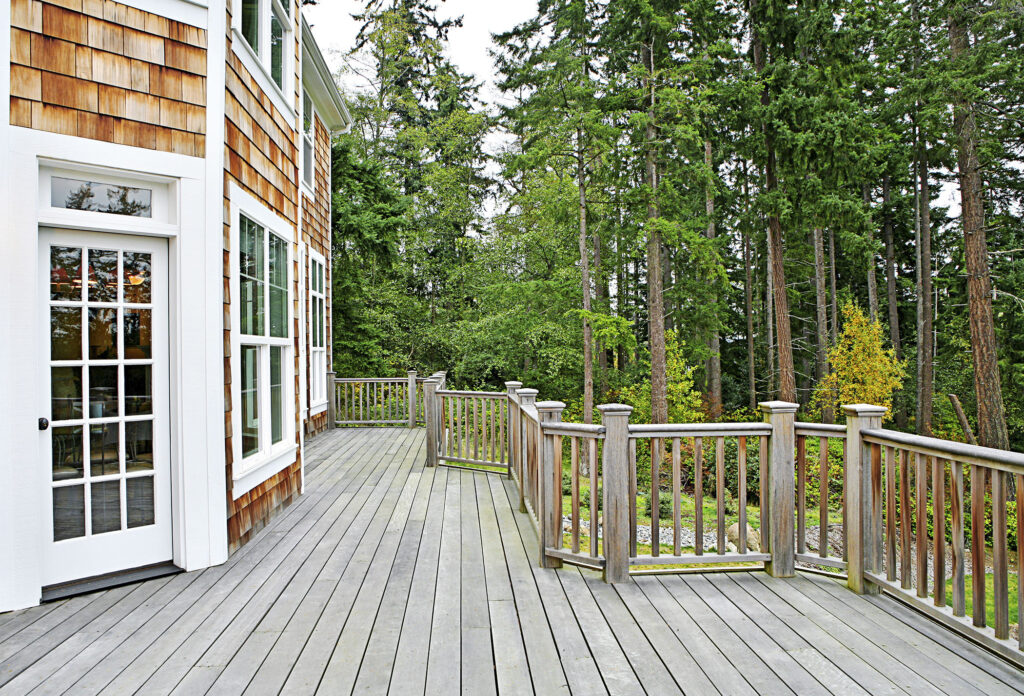
Wood decks are usually built from pressure-treated pine, cedar, or tropical hardwoods. Pressure-treated lumber is typically the most budget-friendly option. Wood looks and feels natural, but it needs regular cleaning, staining, or sealing to hold up against Pennsylvania’s freeze-thaw cycles.
One detail many homeowners miss: the framing under most composite decks is still pressure-treated wood. So structural skill matters just as much with either deck material choice.
What a Composite Deck Builder Brings to the Job
Composite is less forgiving of shortcuts than many people assume. The boards expand and contract with temperature, so they need correct gapping. Joist spacing often has to be tighter than with wood, especially for diagonal or patterned layouts.
Experienced composite deck installers know these details because they follow each manufacturer’s installation guide closely. Many major brands also run contractor programs that train and recognize installers. That matters because manufacturers can deny warranty claims when boards were installed outside their guidelines.
A good composite specialist will also handle hidden fastener systems, picture-frame borders, and warranty registration paperwork for you.
What a Wood Deck Specialist Brings to the Job
Wood deck builders bring a craftsman’s eye to species selection, board layout, and finishing. They know which woods handle moisture well, how to reduce splitting, and how to plan for natural movement.
They also understand fastener compatibility. Modern treated lumber can corrode standard steel fasteners, so experienced builders use hot-dip galvanized or stainless steel hardware, as building guidance from the American Wood Council recommends.
Wood specialists are often the best choice for repairs, refinishing, and custom details like curved benches or built-in planters. If you are unsure whether to fix your current structure or start fresh, it helps to decide between deck repair vs. replacement.
Composite Deck Builders vs Wood Deck Specialists at a Glance
| Factor | Composite Deck Builder | Wood Deck Specialist |
|---|---|---|
| Core expertise | Manufacturer installation rules, gapping, hidden fasteners | Lumber species, joinery, staining and sealing |
| Upfront cost | Higher material cost | Usually lower, especially with pressure-treated lumber |
| Ongoing maintenance | Occasional cleaning | Regular cleaning plus staining or sealing every few years |
| Warranty | Manufacturer warranties, often measured in decades | Limited or none on boards; workmanship warranty varies |
| Appearance | Consistent color, wood-grain texture | Natural grain that weathers and changes over time |
| Best for | Busy homeowners who want low upkeep | Budget-focused or natural-look projects |
| Biggest risk | Voided warranty from improper install | Rot or decay from poor finishing or drainage |
Pros vs. Cons of Each Builder Type
Composite Deck Builder
Pros:
- Deep knowledge of manufacturer specs protects your warranty
- Finished deck needs very little maintenance
- Consistent look with many color options
Cons:
- Higher upfront project cost
- Fewer options for natural, one-of-a-kind finishes
- Boards can feel hot underfoot in full sun
Wood Deck Specialist
Pros:
- Lower upfront cost with pressure-treated lumber
- Authentic natural look and feel
- Skilled at custom details, repairs, and refinishing
Cons:
- Deck needs ongoing upkeep to prevent rot and splintering
- Shorter material lifespan if maintenance slips
- Quality varies widely with lumber grade
Which Builder Should You Hire?
The right answer depends on how you plan to use and care for your deck. Use this conditional reasoning to narrow it down:
- If you want a deck you can enjoy without weekend staining projects, hire a composite deck builder with documented manufacturer training.
- If your budget is tight or you love the look of real wood, a wood deck specialist will give you more value per dollar upfront.
- If you plan to sell within a few years, composite may appeal more to buyers who want low maintenance, though local market preferences vary.
- If you already have a sound wood deck that needs new boards or refinishing, a wood specialist is usually the faster and more affordable fit.
- If you want both, look for professional deck builders in Pennsylvania who install composite and wood regularly and can show finished projects in each.
How to Hire a Licensed Deck Contractor in Pennsylvania
Whether you are searching for deck contractors near me or asking neighbors for referrals, follow these steps:
- Choose your material first. Settling the composite vs wood deck question early helps you find builders who specialize in it.
- Shortlist three local deck builders. Look at reviews, project photos, and how long they have worked in your area.
- Verify state registration. Pennsylvania’s Home Improvement Consumer Protection Act generally requires home improvement contractors to register with the Pennsylvania Office of Attorney General. You can verify your deck builder’s license and registration by using the state database.
- Ask for proof of insurance. Request certificates for general liability and workers’ compensation, and confirm they are current.
- Confirm who pulls the permit. Decks in Pennsylvania generally fall under the Uniform Construction Code, and permits are issued by your municipality. To help you avoid these 8 costly permit mistakes, ensure your builder handles this correctly. In Bucks County, rules vary by township, so a good builder should know the local process.
- Compare written estimates line by line. Check board brand or species, fasteners, footings, railings, and cleanup. Make sure you ensure these 10 items are in your quote before proceeding.
- Get a detailed written contract. Under state law, it should include the contractor’s registration number, a start and end date, the total price, and your right to cancel within three business days.
- Check references and finished work. Ask to see a deck that is a few years old, not just one finished last week.
Red Flags When Hiring Deck Construction Companies in Pennsylvania
Most deck installation companies are honest, but a few warning signs should make you walk away:
- No Pennsylvania home improvement registration number
- A demand for a large deposit before work begins (state law generally limits deposits to one-third of the contract price plus the cost of special-order materials)
- Pressure to sign the same day
- Cash-only payment requests
- Suggestions to skip the permit “to save time”
- No physical business address or verifiable reviews
- Vague answers about warranty or installation guidelines
Do / Don’t Checklist
Do:
- Verify registration with the Pennsylvania Office of Attorney General
- Ask whether the builder follows the manufacturer’s installation guide
- Get every promise in writing
- Check reviews on Google and the Better Business Bureau
Don’t:
- Pay most of the cost before materials arrive
- Hire based on the lowest price alone
- Accept a verbal estimate
- Let a contractor build without a permit
Real-World Scenario
A family in Newtown, Bucks County, wants to replace a worn pressure-treated deck. Both parents work full time and have no interest in yearly sealing. They get three quotes.
The cheapest quote is from a general handyman who plans to install composite boards using the old joist spacing. A composite specialist explains that the brand they chose requires tighter spacing for their diagonal layout, so some framing must be added. The specialist’s quote is higher, but it protects the manufacturer warranty.
The family hires the specialist. Had they gone with the lowest bid, a warranty claim down the road could have been denied. This is a common pattern: the cheapest quote often leaves out the work that protects you later.
Quick Answers:
Is a composite or wood deck better?
A: Neither is better for everyone. Composite wins on low maintenance and warranty length, while wood wins on upfront cost and natural appearance.
Do I need a special contractor for a composite deck?
A: You don’t need a different license, but you should hire someone experienced with your chosen brand. Improper installation can affect the manufacturer warranty.
Do I need a permit to build a deck in Pennsylvania?
A: Most decks require a permit under the Pennsylvania Uniform Construction Code. Check with your township or borough, since local requirements vary.
How do I check if a deck contractor is registered in Pennsylvania?
A: Search the contractor registration database on the Pennsylvania Office of Attorney General website. A legitimate contractor should also list the registration number on contracts and ads.
How much deposit should a deck builder ask for?
A: Pennsylvania law generally caps deposits at one-third of the contract price plus special-order material costs. Anything far beyond that is a red flag.
Can a wood deck specialist install composite boards?
A: Some can, and many skilled builders work with both. Ask for photos of completed composite projects and confirm they follow the manufacturer’s guide.
What should I look for in the best deck builders in Bucks County?
A: Look for state registration, current insurance, local permit experience, strong reviews, and a portfolio that matches your material choice. For trusted local experts, consider hiring a licensed Bucks County deck builder.
How long does a deck project usually take?
A: Timelines depend on size, design, permits, and weather. Your builder should give you a written schedule before work begins.
Glossary of Terms
- Capped composite: Composite decking with a protective plastic shell that helps resist stains, fading, and moisture.
- Pressure-treated lumber: Wood treated with preservatives to resist rot and insects, commonly used for deck framing and budget-friendly decking.
- Ledger board: The board that attaches a deck to the house. A poorly installed ledger is one of the most serious deck safety risks.
- Hidden fasteners: Clips that secure deck boards from the side, so no screw heads show on the surface.
Conclusion
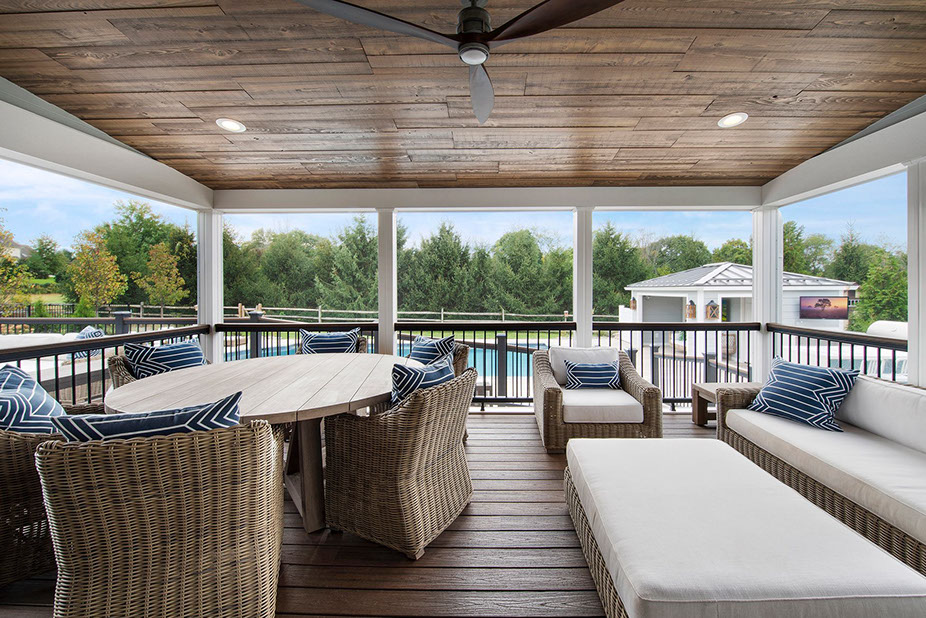
The composite vs wood deck decision shapes everything that follows, including who should build it. Composite deck builders bring manufacturer expertise and a low-maintenance result. Wood deck specialists bring natural beauty, flexibility, and lower upfront costs.
Whichever path you choose, the builder’s process matters as much as the boards. Verify registration, confirm insurance, insist on a permit, and get everything in writing. If you’re ready to compare deck building services near me with confidence, schedule your free on-site consultation with a licensed Bucks County deck builder and ask the questions in this guide before you sign.