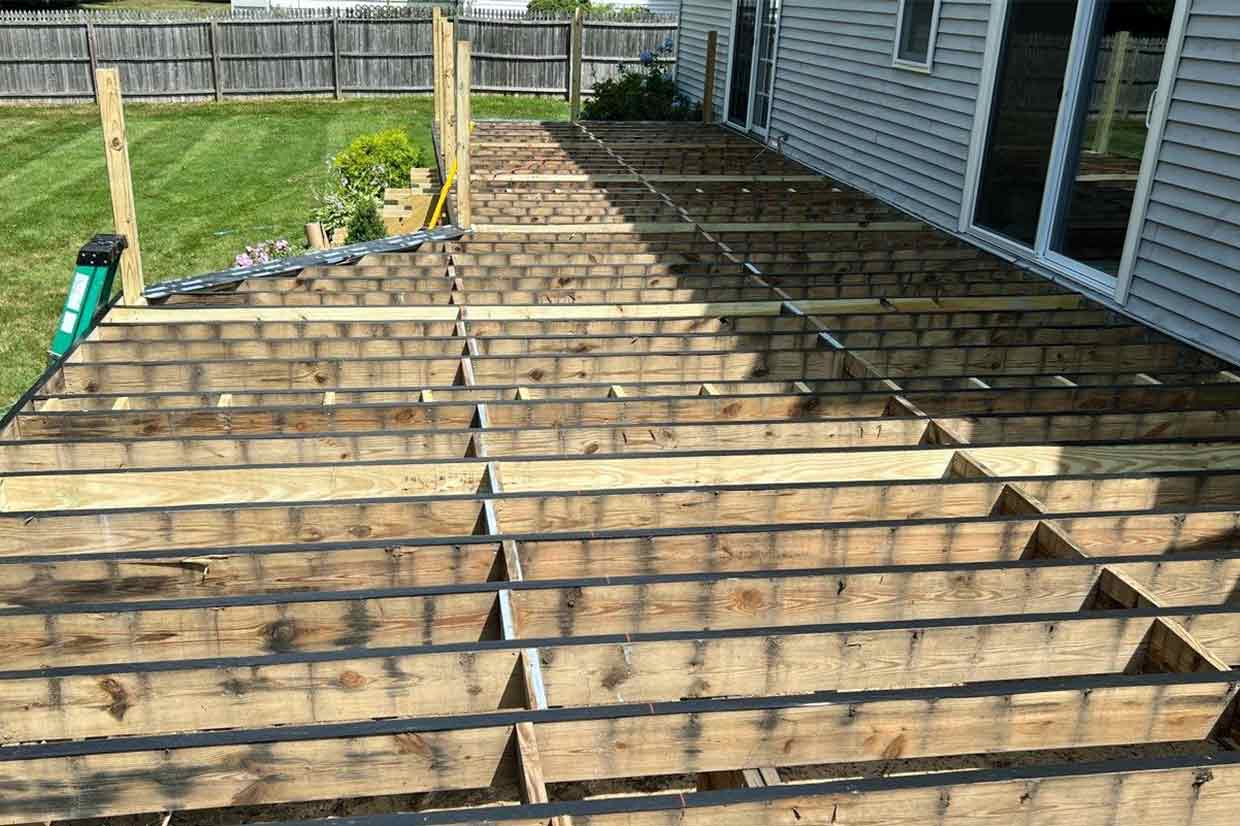
Key Takeaways
- Deck builders Pennsylvania homeowners hire should be verified licensed contractors, insured, and permit-ready year-round.
- Many professional deck builders in Pennsylvania work through fall and winter with proper planning.
- Vetting local deck builders early prevents costly delays and project failures down the line.
- Licensed deck contractors should carry general liability and workers’ compensation insurance at all times.
- Red flags like cash-only demands and missing permits signal contractors to avoid immediately.
- The best deck builders in Bucks County and across Pennsylvania offer written contracts and seasonal project timelines, with clear guidance on the permit application process.
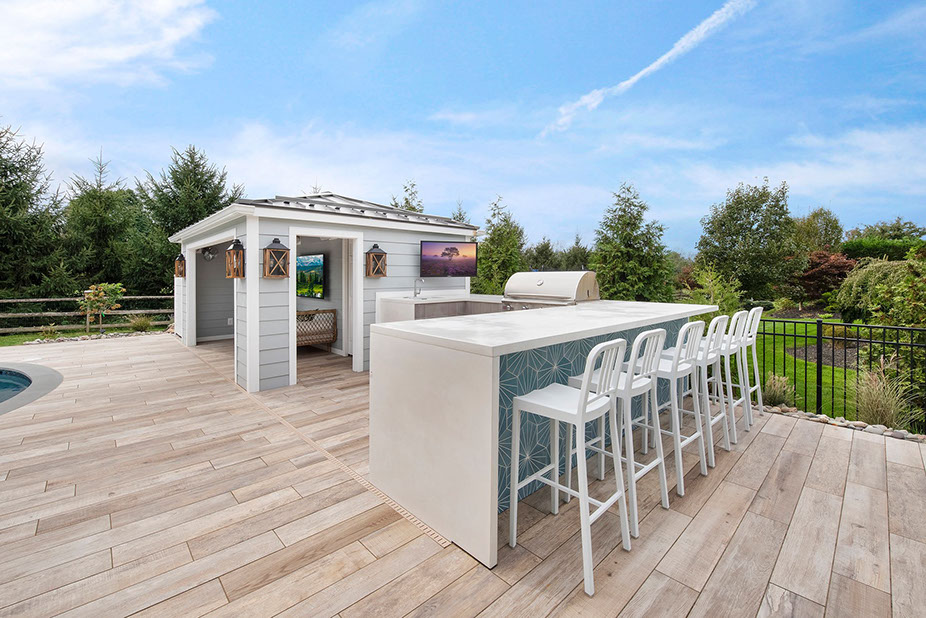
Why Finding Year-Round Deck Builders in Pennsylvania Is Harder Than It Sounds
Most homeowners assume deck building is a spring and summer business — and many contractors are happy to let that assumption stand. The truth is that experienced deck builders Pennsylvania residents can rely on are available and active throughout the year. The challenge is knowing how to find them and confirm they have the credentials, experience, and operational capacity to deliver quality work in any season.
Pennsylvania’s climate spans hot summers, wet falls, hard winters, and unpredictable springs. Not every deck installation company is set up to work across all of it. Some scale back operations dramatically after Labor Day. Others simply stop returning calls until March. If you’re planning a deck project on your own timeline — not the construction industry’s — you need to know how to identify contractors who stay operational, stay licensed, and stay accountable all year long.
This guide gives you a clear, practical process for finding and vetting year-round deck building services near you, with specific guidance for Pennsylvania homeowners.
What “Year-Round” Actually Means for Deck Construction
Seasonal Realities in Pennsylvania
Pennsylvania sits in a climate zone that presents real construction challenges in colder months. Frost-affected ground can complicate footing installation. Certain wood products and composite materials have temperature-related installation guidelines. Concrete for post footings has minimum pour temperatures.
That said, none of these factors make winter deck construction impossible. Experienced professional deck builders in Pennsylvania know how to work within these constraints. They schedule footing work during appropriate weather windows, use cold-weather concrete additives when needed, and sequence interior framing, permitting, and material delivery around conditions.
What separates a capable year-round contractor from one who simply claims to be available is operational infrastructure: a full crew on payroll, relationships with suppliers who stock material in winter, and familiarity with your local township’s permit office hours and review timelines, which can slow down in December and January.
Why Year-Round Availability Matters to You
If you want a deck ready by Memorial Day, you need to start the conversation in January or February at the latest. Permitting alone can take several weeks in some Pennsylvania municipalities. Add material lead times — especially for premium composite decking — and a project that starts in April may not finish until July.
Homeowners who connect with year-round deck contractors in fall or winter get earlier permit approvals, locked-in pricing before seasonal demand pushes costs up, and a firm spot on the build schedule before the spring backlog hits.
Step-by-Step: How to Find and Hire Year-Round Deck Builders in Pennsylvania
- Start your search in the off-season. Contact deck installation companies in October through February. Contractors who answer promptly and discuss winter scheduling are demonstrating year-round capacity.
- Verify state registration. Pennsylvania requires home improvement contractors to register under the Home Improvement Consumer Protection Act (HICPA). Search the Pennsylvania Attorney General’s contractor verification portal to confirm any company you’re considering holds an active registration, and review our guide on Pennsylvania contractor hiring requirements for full compliance details.
- Confirm insurance. Request a Certificate of Insurance (COI) showing active general liability coverage and workers’ compensation. Call the insurer directly to verify the policy hasn’t lapsed.
- Ask specifically about off-season project experience. Ask how many projects they completed between November and March in the past two years. Use these key questions to ask before hiring to guide your conversation and ensure a capable year-round contractor gives you a clear, confident answer.
- Request local references. Ask for references from customers in your county or township. Working with established Bucks County deck contractors who have navigated your municipality’s permitting process before will move faster and hit fewer bureaucratic snags.
- Review the contract for seasonal contingencies. A well-written contract from licensed deck contractors will include weather delay provisions, milestone-based payment schedules, and clear language about what triggers a schedule adjustment.
- Confirm permit management. The contractor should pull all required permits — not you. Ask which townships they’ve recently permitted in and how long the permit application process typically takes.
- Get at least two competing bids. Year-round availability is valuable, but it doesn’t justify unlimited pricing. Compare bids carefully using a detailed deck construction cost breakdown, looking at scope, materials, and timeline — not just the bottom-line number.
How to Compare Deck Contractors: Year-Round vs. Seasonal
| Factor | Year-Round Contractor | Seasonal-Only Contractor |
|---|---|---|
| Off-season availability | Accepts consultations and contracts Oct–Feb | Goes quiet after Labor Day |
| Permitting experience | Familiar with winter permit timelines | May not know municipal slowdowns |
| Crew structure | Full-time employees year-round | Relies on seasonal or temp labor |
| Material sourcing | Supplier relationships ensure winter stock | May face delays due to low winter orders |
| Pricing stability | Consistent pricing; less spring surge pressure | Prices often rise sharply in March–April |
| Project scheduling | Can commit to firm spring start dates in winter | Spring backlogs often push timelines out |
| Contract quality | Includes weather contingency clauses | May use simplified seasonal contracts |
Pros and Cons of Hiring a Year-Round Deck Contractor
| Pros of Hiring a Year-Round Deck Contractor | Cons of Hiring a Year-Round Deck Contractor |
|---|---|
| Secure your build slot months before the spring rush | Fewer contractors to choose from outside peak season |
| Lock in material pricing before seasonal demand increases | Some weather-related delays are still possible in winter builds |
| Permitting completed during slower municipal review periods | May require earlier decision-making and deposit commitment |
| More time for detailed planning, design revisions, and material selection | Composite material installation may require temperature monitoring |
| Better access to the contractor’s full attention during off-peak months |
Do’s and Don’ts When Searching for Deck Building Services Near You
| DO | DON’T |
|---|---|
| Verify the contractor’s HICPA registration through Pennsylvania’s official state database | Assume a contractor is year-round just because their website says so |
| Request a COI and confirm it is current with the insurer | Accept verbal commitments about scheduling or materials |
| Ask for references from recent off-season projects specifically | Pay more than 10–30% upfront regardless of season |
| Get a written contract with weather delay provisions before any work begins | Hire any deck building company that discourages or skips the permit process |
| Confirm the contractor will manage all permits and municipal inspections | Choose a contractor based solely on the lowest bid without verifying credentials |
Matching Your Project to the Right Contractor
If your project involves a complex multi-level structure or a deck attached directly to the home’s frame, choose a contractor with documented experience in structural deck builds, active certification through the North American Deck & Railing Association (NADRA), and a track record of permitted inspections in your county. Complexity requires credentials — not just availability.
If you are planning a straightforward ground-level deck and want it done before spring, a licensed local deck builder with full winter availability, a clear permitting process, and strong regional references will meet your needs. You don’t need the largest company in the market — you need one with the right credentials and an open winter schedule.
Off-Season Planning That Paid Off
A homeowner in lower Bucks County wanted a two-tiered composite deck completed before their daughter’s graduation party in late May. They contacted several deck contractors in November.
Most didn’t respond until January. One licensed contractor — a year-round operation — met with them in December, submitted permit applications to the township in early January, and had materials staged and ready for a late-February start once ground conditions allowed.
The deck was completed in mid-April, six weeks ahead of the event. The homeowner noted that the contractor’s familiarity with the local permit office — and their practice of pulling permits during slower winter months — was the single biggest factor in hitting the deadline. Homeowners who waited until April to start the process received first availability dates in July.
Red Flags to Watch for When Evaluating Deck Contractors in Pennsylvania
Even in the off-season, bad actors are in the market. These warning signs apply year-round:
- No verifiable state registration. If the HICPA database shows no record of the contractor, stop immediately. Always ensure you’re evaluating verified licensed contractors before proceeding.
- Pressure to start without permits. Any contractor who frames permits as an obstacle rather than a standard step is taking shortcuts at your expense.
- Cash-only payment demands. This consistently signals unlicensed, uninsured operation.
- No physical office address. Year-round contractors have stable business infrastructure. A P.O. box only is a red flag.
- Vague answers about off-season experience. A contractor who can’t name recent winter or fall projects likely doesn’t have them.
- Unusually low bids. A price significantly below competing estimates typically reflects missing insurance, substandard materials, or unlicensed labor.
- No written contract offered. Professional deck builders produce contracts as standard practice. Verbal agreements are not enforceable.
Quick Answers – FAQ
Q: Can deck builders in Pennsylvania work during winter?
A: Yes. Experienced professional deck builders in Pennsylvania work through winter by scheduling around frost conditions, using cold-weather installation techniques, and processing permits during slower municipal review periods. Not all contractors offer this — ask specifically about off-season capacity.
Q: How early should I contact deck contractors to ensure spring availability?
A: Industry practice suggests contacting contractors in October through January for a spring build. This allows time for permitting, material ordering, and securing a build slot before the spring rush fills schedules.
Q: What license or registration should Pennsylvania deck builders carry?
A: In Pennsylvania, home improvement contractors must register under the Home Improvement Consumer Protection Act (HICPA) with the PA Office of Attorney General. Always verify a contractor’s registration number in the Pennsylvania Attorney General’s contractor verification portal before signing any agreement.
Q: What insurance must a deck contractor carry?
A: At minimum, general liability insurance and workers’ compensation insurance. Always request a current Certificate of Insurance and verify it with the insurer directly.
Q: How do I find the best deck builders in Bucks County specifically?
A: Search the PA Office of Attorney General’s contractor database, check BBB ratings, request references from recent local projects, and ask specifically about permit experience within Bucks County townships. Partnering with experienced Bucks County deck contractors ensures they understand local zoning and code requirements.
Q: Is it cheaper to hire a deck contractor in the off-season?
A: Many homeowners find that off-season contracts lock in better pricing before spring demand increases material and labor costs. Reviewing a current deck construction cost breakdown helps you compare quotes accurately. Contractors may also offer more flexible scheduling during slower months.
Q: Should I pull my own permits or let the contractor do it?
A: The contractor should always manage permits. A reputable deck installation company handles all permit applications, inspections, and municipal coordination on your behalf. Contractors who ask you to pull permits are shifting liability to you.
Q: What is a reasonable deposit for a deck project?
A: A deposit of 10–30% of the total project cost is standard. Be cautious of any contractor requesting 50% or more upfront, or demanding full payment before work begins.
Q: How long does deck permitting take in Pennsylvania?
A: Permitting timelines vary by municipality, but many townships in Pennsylvania process residential deck permits within two to six weeks. Submitting during winter months — when application volume is lower — often results in faster approvals.
Q: What should a deck construction contract include?
A: A complete contract should cover scope of work, materials specifications, payment schedule tied to milestones, project timeline, weather delay provisions, warranty terms, and permit responsibilities.
Glossary of Terms
HICPA (Home Improvement Consumer Protection Act): A Pennsylvania law requiring home improvement contractors to register with the state, carry insurance, and provide written contracts for projects above a specified dollar threshold. Always verify a contractor’s HICPA registration before hiring.
Certificate of Insurance (COI): A summary document issued by an insurance provider confirming a contractor’s active coverage. Homeowners should request a COI naming them as certificate holder and verify it directly with the insurer.
Year-Round Contractor: A deck building company that maintains full operational capacity across all seasons, including winter months, with a permanent crew, active supplier relationships, and continuous permit filing capability.
Composite Decking: A manufactured decking material made from a blend of wood fiber and plastic polymers. Many composite products have specific temperature guidelines for installation, which experienced year-round contractors know how to manage in cold weather. For detailed material selection guidance, review our wood vs. composite decking comparison.

Conclusion
Finding deck builders Pennsylvania homeowners can count on year-round takes more than a quick Google search. It requires verifying credentials, confirming insurance, asking the right questions about off-season experience, and reading contracts carefully before a single board is cut.
The homeowners who get the best results — the ones who have their decks ready for Memorial Day or safely completed before the first hard freeze — are the ones who start early, vet thoroughly, and choose contractors based on credentials rather than price alone.
If you’re in southeastern Pennsylvania or Bucks County and ready to move forward, start the conversation now. The best deck builders fill their schedules months in advance. Don’t wait until spring to find that out.
Contact our team today to request a free project estimate and start your off-season planning.