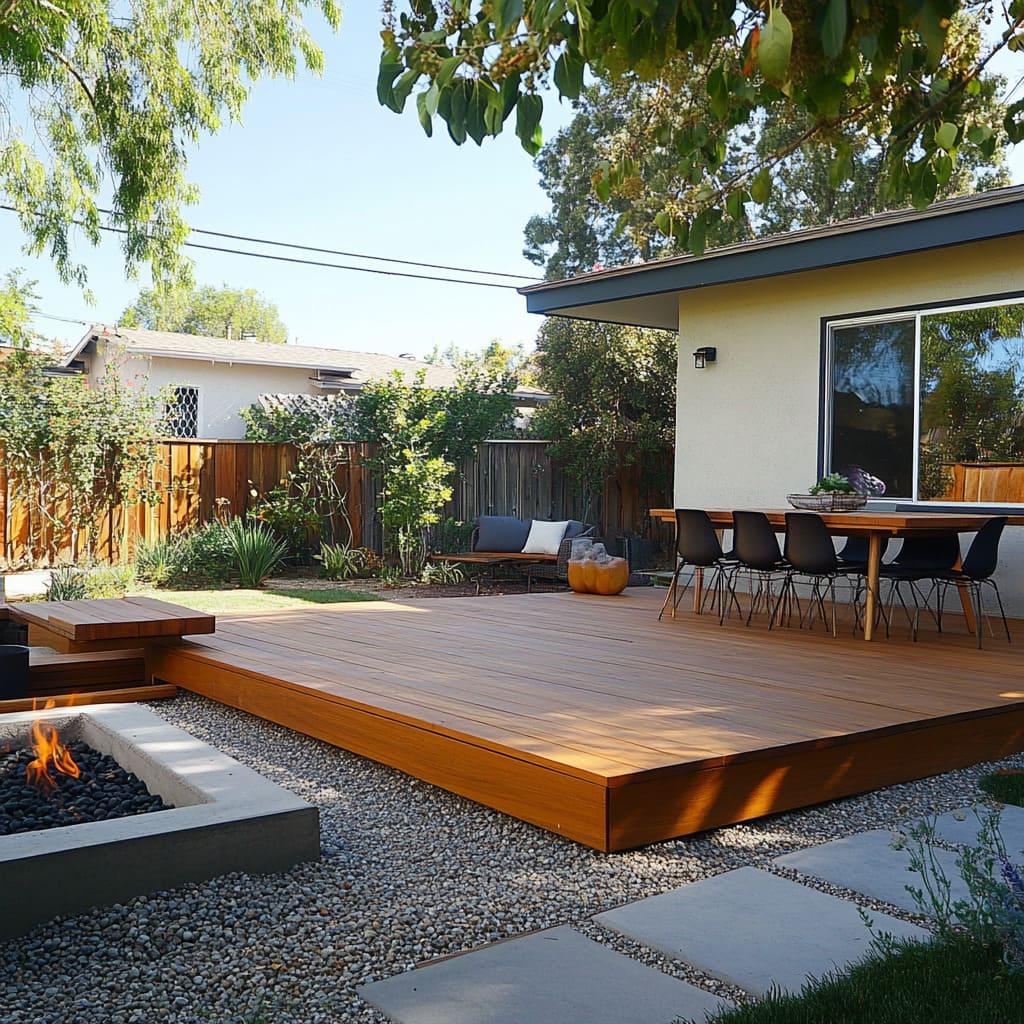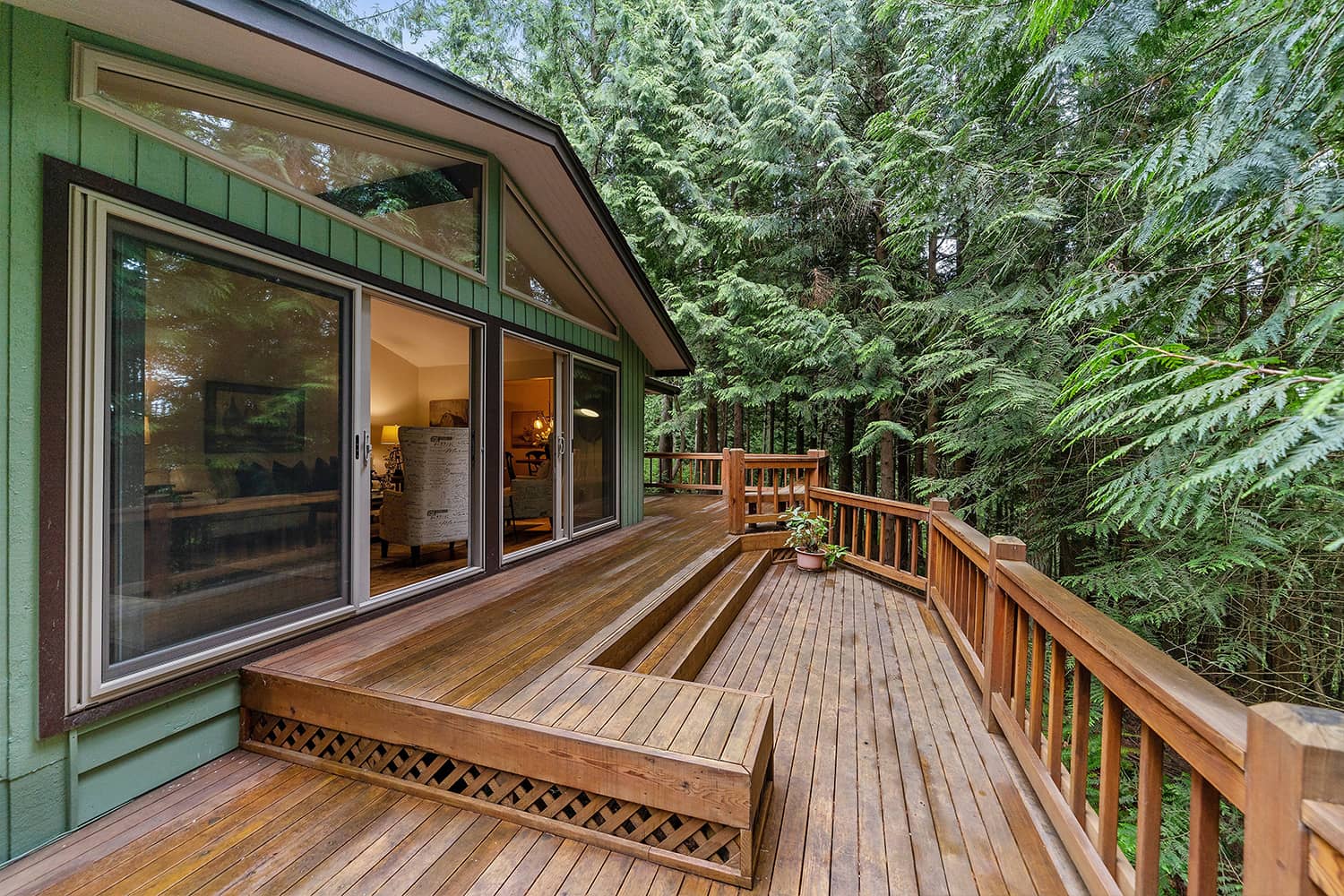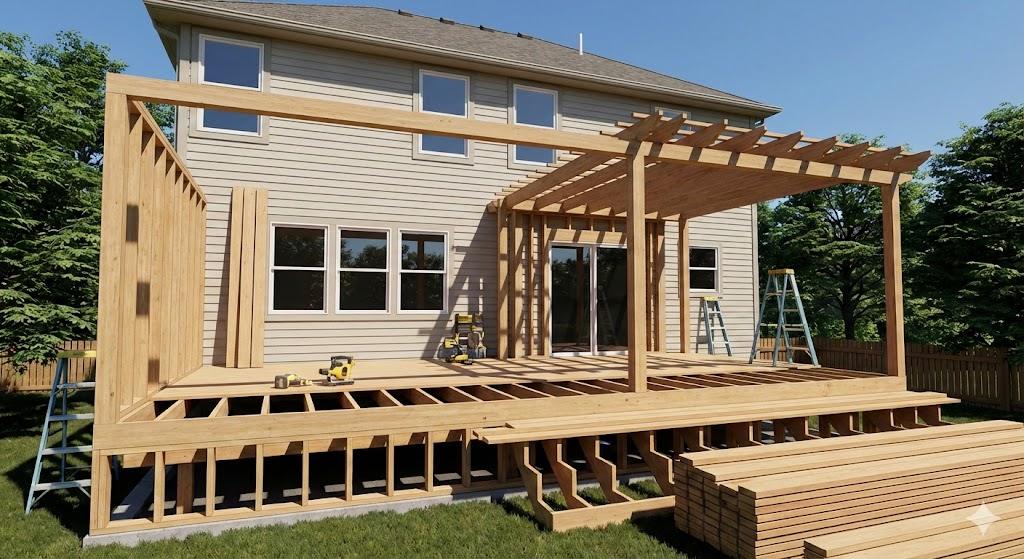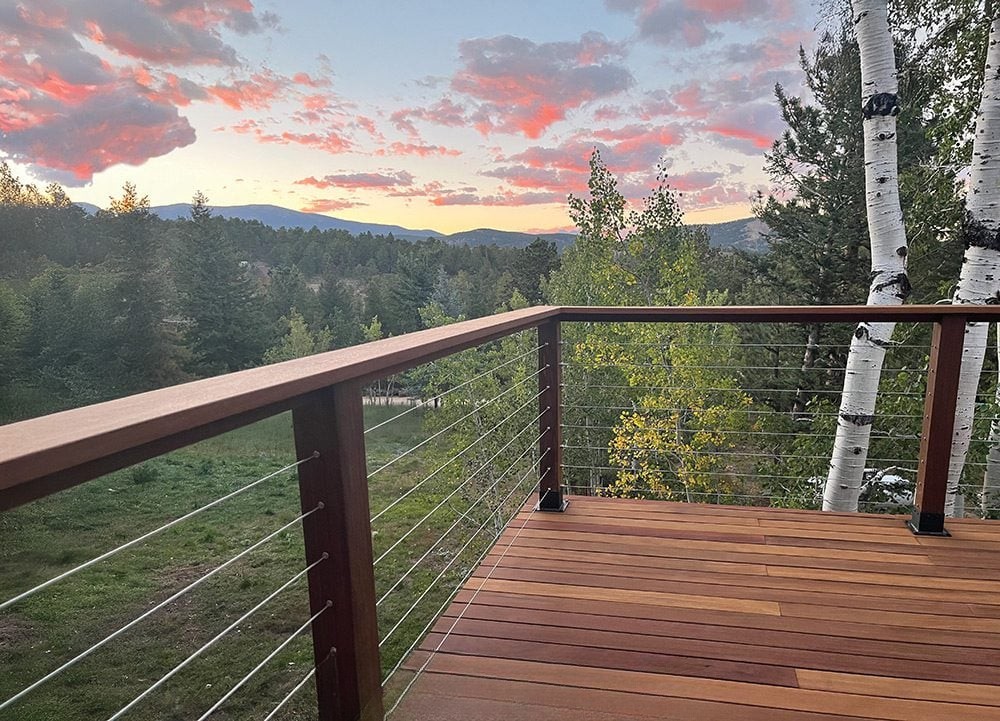
Choosing the right contractor for your outdoor living space can mean the difference between a beautiful, long-lasting deck and a dangerous money pit. Many homeowners in Pennsylvania and across the United States fall victim to unqualified or unscrupulous deck contractors near me, resulting in structural failures, code violations, and thousands of dollars in repairs. Understanding the warning signs before signing a contract protects both your family’s safety and your financial investment. This comprehensive guide reveals ten critical red flags that should make you pause before hiring local deck builders, along with practical strategies to identify professional deck builders who deliver quality workmanship.

Key Takeaways
- Always verify licensing and insurance before hiring local deck builders to protect your investment
- Detailed written contracts prevent disputes and ensure clear project expectations
- Unusually low bids often signal poor materials or hidden costs down the line
- Professional deck builders provide references and maintain transparent communication throughout
- Payment schedules should align with milestones, never require full payment upfront
- Quality deck installation companies carry proper permits and follow local building codes
Red Flag #1: Missing or Unverifiable Licenses and Insurance
Professional deck builders in Pennsylvania must carry proper licensing and comprehensive insurance coverage. A legitimate contractor readily provides their license number, liability insurance, and workers’ compensation documentation without hesitation.
What to Verify
Before hiring any deck construction companies in Pennsylvania, request copies of:
- State contractor’s license (verify online through your state’s licensing board)
- General liability insurance (minimum $1 million coverage recommended)
- Workers’ compensation insurance
- Bond information if required in your area
Do: Contact the insurance company directly to confirm active coverage.
Don’t: Accept excuses like “my insurance is being updated” or “I can show you later.”
Unlicensed contractors expose you to liability if workers get injured on your property. They also lack the professional standards and accountability that licensed professionals maintain. For official guidance on verifying contractor credentials, refer to the Federal Trade Commission’s consumer guide on hiring contractors.
Red Flag #2: Absence of a Detailed Written Contract
Verbal agreements and handshake deals create countless problems in the construction industry. The best deck builders in Bucks County and elsewhere always provide comprehensive written contracts that protect both parties.
Essential Contract Elements
| Contract Component | Why It Matters |
| Project scope and specifications | Prevents disputes about what work is included |
| Materials list with brands and grades | Ensures quality standards are met |
| Payment schedule tied to milestones | Protects you from paying for incomplete work |
| Timeline with start and completion dates | Creates accountability for project duration |
| Warranty information | Clarifies what’s covered after completion |
| Cleanup and debris removal terms | Defines site condition expectations |
| Change order procedures | Establishes process for modifications |
A contract that’s vague about materials, timelines, or costs suggests the contractor either lacks professionalism or intends to add unexpected charges later.
Red Flag #3: Pressure to Sign Immediately
High-pressure sales tactics indicate desperation, not quality. Reputable deck building services near me understand that major home improvements require careful consideration and never rush homeowners into signing.
Common pressure tactics include:
- “This price is only good if you sign today”
- “I have materials left over from another job”
- “Another customer wants your slot”
- “Prices are going up next week”
If you need time to review multiple bids and check references, legitimate contractors will respect that decision. Professional businesses have steady work and don’t rely on cornering homeowners into immediate commitments.
Red Flag #4: Unusually Low Bids Compared to Competitors
When one estimate comes in significantly lower than others—often 30% or more—investigate why. While everyone loves saving money, unrealistically low bids from deck contractors near me typically signal problems.
Why Low Bids Backfire
Pros of accepting the lowest bid:
- Initial cost savings
- Apparent budget friendliness
Cons of accepting the lowest bid:
- Substandard or substitute materials
- Corners cut on structural components
- Hidden costs added through change orders
- Unlicensed or inexperienced workers
- Project abandonment before completion
- No warranty or post-project support
Research shows that many homeowners who chose the cheapest contractor ended up paying more overall due to repairs, replacements, and hiring new contractors to fix mistakes. For realistic pricing benchmarks, consult our 2026 deck building cost guide for Pennsylvania homeowners.
Red Flag #5: No Physical Business Address or Online Presence
Professional deck installation companies maintain verifiable business locations and established online reputations. A contractor operating solely from a cell phone or P.O. box raises serious concerns.
Research Checklist
When vetting potential contractors:
- Search for the business name online
- Check reviews on multiple platforms (Google, Yelp, Better Business Bureau)
- Verify physical address through public records
- Look for a professional website with portfolio images
- Confirm how long they’ve been in business
- Search for any legal judgments or liens
If you cannot find legitimate information about deck construction companies in Pennsylvania after reasonable searching, that’s a significant warning sign. Established contractors have years of work history and satisfied customers who leave verifiable reviews.
Red Flag #6: Requesting Full Payment Upfront
Legitimate payment schedules align with project phases. Licensed deck contractors never demand 100% payment before starting work.
Standard Payment Structure
A fair payment schedule typically follows this pattern:
- Deposit: 10–30% to secure the project and order materials
- Midpoint payment: 25–40% when framing is complete
- Final payment: Remaining 30–40% after project completion and inspection
Do: Withhold final payment until you’ve inspected the finished work and verified it meets contract specifications.
Don’t: Pay in cash without receipts or pay more than 30% upfront.
Contractors requesting full payment upfront may be experiencing financial problems, lack materials funding, or plan to abandon the project.
Red Flag #7: Unable or Unwilling to Provide References
The best deck builders in Bucks County and nationwide have satisfied customers eager to share positive experiences. A contractor who cannot provide references either has unhappy clients or limited experience.
How to Check References Effectively
When speaking with references:
- Ask to see photos of the completed deck
- Inquire about communication quality and responsiveness
- Confirm the project stayed within budget and timeline
- Learn whether any problems arose and how they were handled
- Find out if they would hire this contractor again
- Request permission to visit the completed deck in person
Professional deck builders maintain portfolios of completed projects and often have recent customers willing to provide testimonials. Be cautious if all references are years old or if the contractor claims privacy concerns prevent sharing any references. For help evaluating contractors, review our guide on key questions to ask your deck contractor.
Red Flag #8: Lack of Knowledge About Local Building Codes
Every municipality has specific requirements for deck construction, including setback rules, railing heights, footing depths, and inspection protocols. Professional deck builders in Pennsylvania demonstrate thorough understanding of these regulations.
Critical Code Compliance Areas
During initial consultations, knowledgeable contractors should discuss:
- Required permits and inspection schedules
- Frost line depth requirements for footings
- Proper ledger board attachment methods
- Railing and baluster spacing standards
- Load-bearing capacity calculations
- Electrical requirements if adding lighting
If a contractor dismisses permit requirements or suggests “working under the radar,” immediately remove them from consideration. Unpermitted work can result in fines, forced removal, and complications when selling your home. Learn more about navigating the process in our guide on how to secure a deck permit in Pennsylvania. For authoritative safety standards, consult the Consumer Product Safety Commission’s Deck Safety Guidelines.
Red Flag #9: Poor Communication and Responsiveness
Communication patterns during the bidding phase predict behavior throughout the project. Contractors who are difficult to reach, slow to respond, or vague in their answers will likely exhibit worse communication once they have your deposit.
Warning Signs in Communication
- Taking days to return calls or emails
- Providing inconsistent information
- Avoiding specific questions about materials or methods
- Missing scheduled appointments without notice
- Reluctance to put agreements in writing
- Defensive or aggressive responses to questions
Quality deck building services near me understand that homeowners have questions and concerns. They respond promptly, explain their processes clearly, and maintain regular project updates.
Real-world example (hypothetical): A homeowner in Bucks County hired a contractor who seemed rushed during the initial meeting and took three days to return follow-up calls. Once the project started, the contractor became even less responsive, leading to unauthorized changes, missed inspections, and a project that took three months instead of the promised six weeks.
Red Flag #10: No Warranty or Post-Project Support
Reputable deck installation companies stand behind their work with written warranties covering both labor and materials. A contractor unwilling to guarantee their work lacks confidence in their craftsmanship.
Standard Warranty Expectations
| Warranty Type | Typical Coverage Period |
| Structural components | 5–10 years |
| Workmanship | 1–5 years |
| Material defects | Varies by manufacturer (often 10–25 years for quality decking) |
Comparison: Professional vs. Questionable Contractors
Professional contractors:
- Provide detailed written warranties
- Explain exactly what is and isn’t covered
- Respond to warranty claims promptly
- Maintain business continuity for warranty period
Questionable contractors:
- Offer only verbal assurances
- Use vague warranty language
- Require unreasonable maintenance conditions
- Disappear after project completion
For industry-backed best practices on deck construction and safety, refer to resources from the North American Deck and Railing Association (NADRA).
How to Find Qualified Local Deck Builders
Once you know the red flags to avoid, use these strategies to identify licensed deck contractors who deliver quality results:
Step-by-Step Contractor Selection Process
- Generate a list of candidates through referrals from neighbors, online reviews, and local building supply stores
- Verify credentials including licensing, insurance, and Better Business Bureau ratings
- Request detailed bids from at least three contractors
- Compare proposals focusing on materials, timeline, and warranty rather than price alone
- Check references and view completed projects in person when possible
- Review contracts carefully before signing anything
- Confirm permit acquisition and inspection schedules
If you need a contractor who specializes in complex designs or specific materials like composite decking, ask about their relevant experience and request examples of similar projects. For material guidance, see our comparison of wood vs. composite decking: which is right for your home?
Additional Considerations for Pennsylvania Homeowners
Homeowners in Pennsylvania face specific challenges when selecting deck construction companies in Pennsylvania due to varied climate conditions and local regulations.
Pennsylvania-Specific Factors
- Freeze-thaw cycles: Require proper footing depth below frost line (typically 36–42 inches)
- Municipal variations: Building codes differ significantly between counties and townships
- Weather considerations: Projects planned around optimal construction seasons
- HOA requirements: Many communities have specific design and material restrictions
The best deck builders in Bucks County and throughout Pennsylvania understand these regional factors and incorporate them into project planning and execution.
Quick Answers – FAQ Section
How much should I expect to pay local deck builders?
Deck costs vary widely based on size, materials, and complexity, but typically range from $15–$35 per square foot for professional installation, with composite materials costing more than pressure-treated wood. See our 2026 deck building cost guide for Pennsylvania homeowners for current benchmarks.
Do deck contractors near me need special licenses?
Licensing requirements vary by state and municipality, but most jurisdictions require contractors to hold a valid business license, contractor’s license, and carry liability insurance and workers’ compensation coverage.
How long does professional deck installation take?
Most residential decks take 1–3 weeks to complete, depending on size, complexity, weather conditions, and permit/inspection schedules.
What questions should I ask during initial consultations?
Ask about licensing and insurance, years in business, references, warranty coverage, payment schedules, subcontractor use, project timeline, and how they handle unexpected issues or changes. Our guide on key questions to ask your deck contractor offers a complete checklist.
Can deck building services near me work year-round?
In Pennsylvania and similar climates, optimal deck building occurs from late spring through early fall, though experienced contractors can work in cooler weather with proper precautions.
What’s included in a typical deck warranty?
Quality warranties cover structural integrity for 5–10 years and workmanship for 1–5 years, while material warranties depend on manufacturer coverage and proper maintenance.
Should I hire the lowest bidder?
Not necessarily—extremely low bids often indicate cost-cutting on materials, inexperienced workers, or missing project elements that will require additional charges later.
How do I verify a contractor’s license?
Check your state’s contractor licensing board website where you can search by business name or license number to confirm active status and check for complaints or violations.
What happens if work doesn’t pass inspection?
Professional contractors fix issues to meet code requirements at no additional cost, as proper compliance should be included in the original contract scope.
Do I need a permit for deck construction?
Most municipalities require permits for decks, especially those attached to homes, elevated more than 30 inches, or exceeding certain square footage thresholds. Learn more in our guide on how to secure a deck permit in Pennsylvania.
Glossary of Terms
Ledger Board: A horizontal beam attached to the house that supports one side of the deck structure and transfers loads to the home’s foundation system.
Frost Line: The maximum depth at which groundwater freezes in winter, requiring deck footings to extend below this depth to prevent heaving and structural damage.
Joist: Horizontal structural members that run between beams or the ledger board and beam, providing the framework that supports decking boards.
Composite Decking: Manufactured deck boards made from a combination of wood fibers and plastic polymers, offering low maintenance and longevity compared to natural wood.

Conclusion
Protecting your investment in outdoor living space starts with recognizing the warning signs of unqualified or dishonest contractors. By watching for these ten red flags—from missing licenses and vague contracts to poor communication and absent warranties—you can avoid costly mistakes and dangerous structural failures. Professional deck builders demonstrate their expertise through proper credentials, transparent pricing, quality references, and detailed contracts that protect your interests.
Take time to thoroughly vet multiple deck installation companies, verify their credentials, check references, and trust your instincts when something feels wrong. The right contractor will welcome your questions, provide comprehensive documentation, and deliver a beautiful deck that enhances your home’s value and your family’s enjoyment for decades to come.
Ready to start your deck project? Use this guide to evaluate contractors in your area, and don’t settle for anything less than licensed, insured professionals who stand behind their work with solid warranties and proven track records.