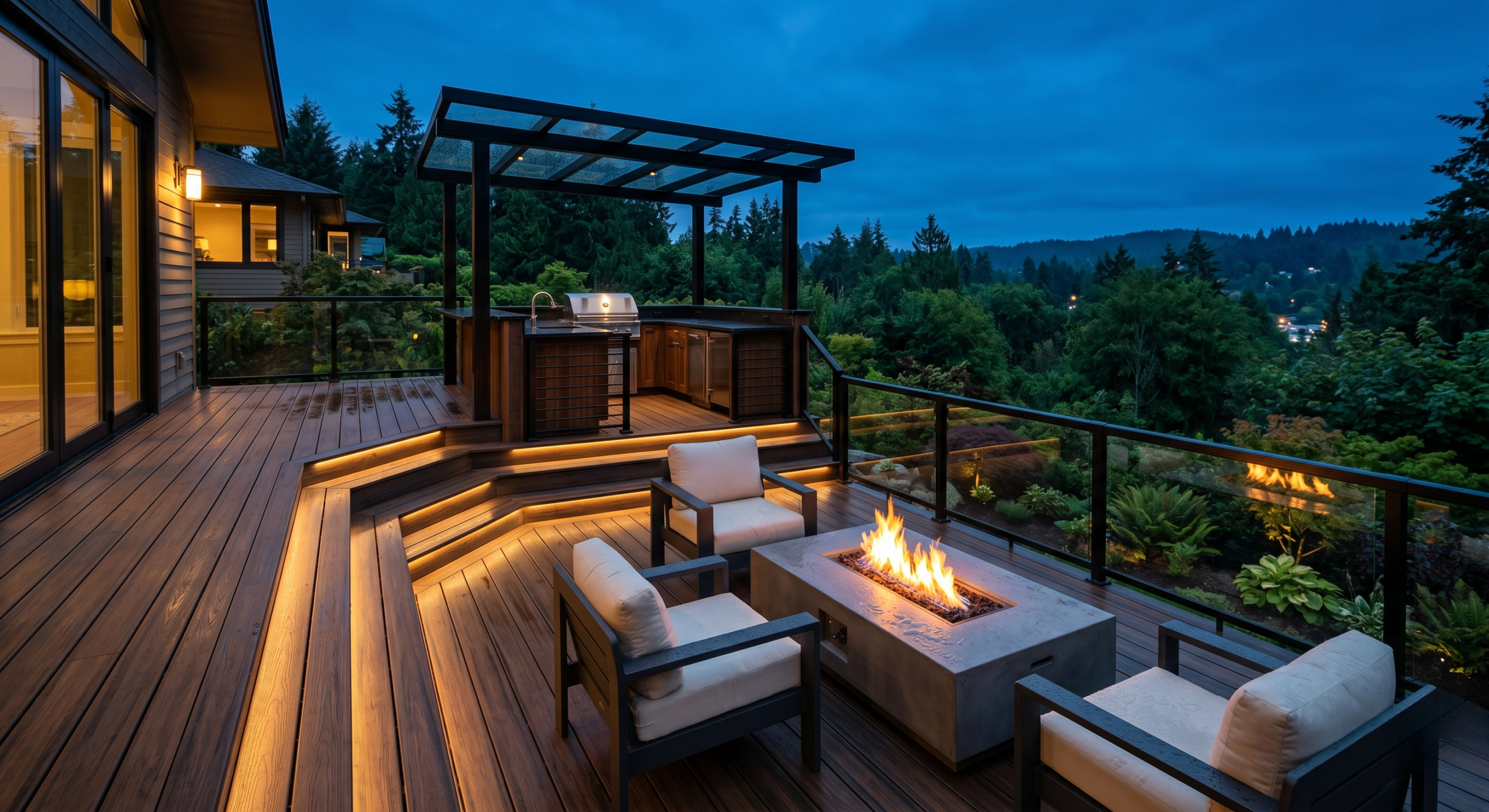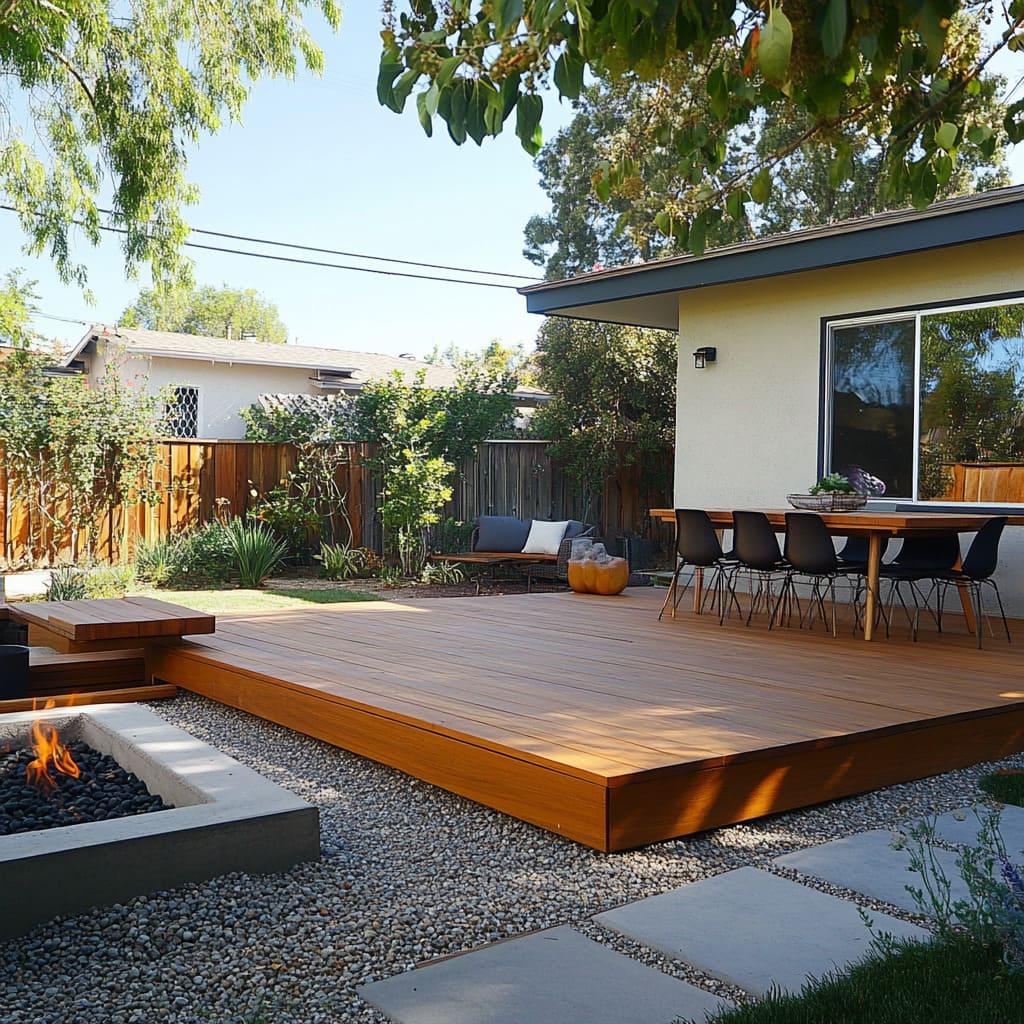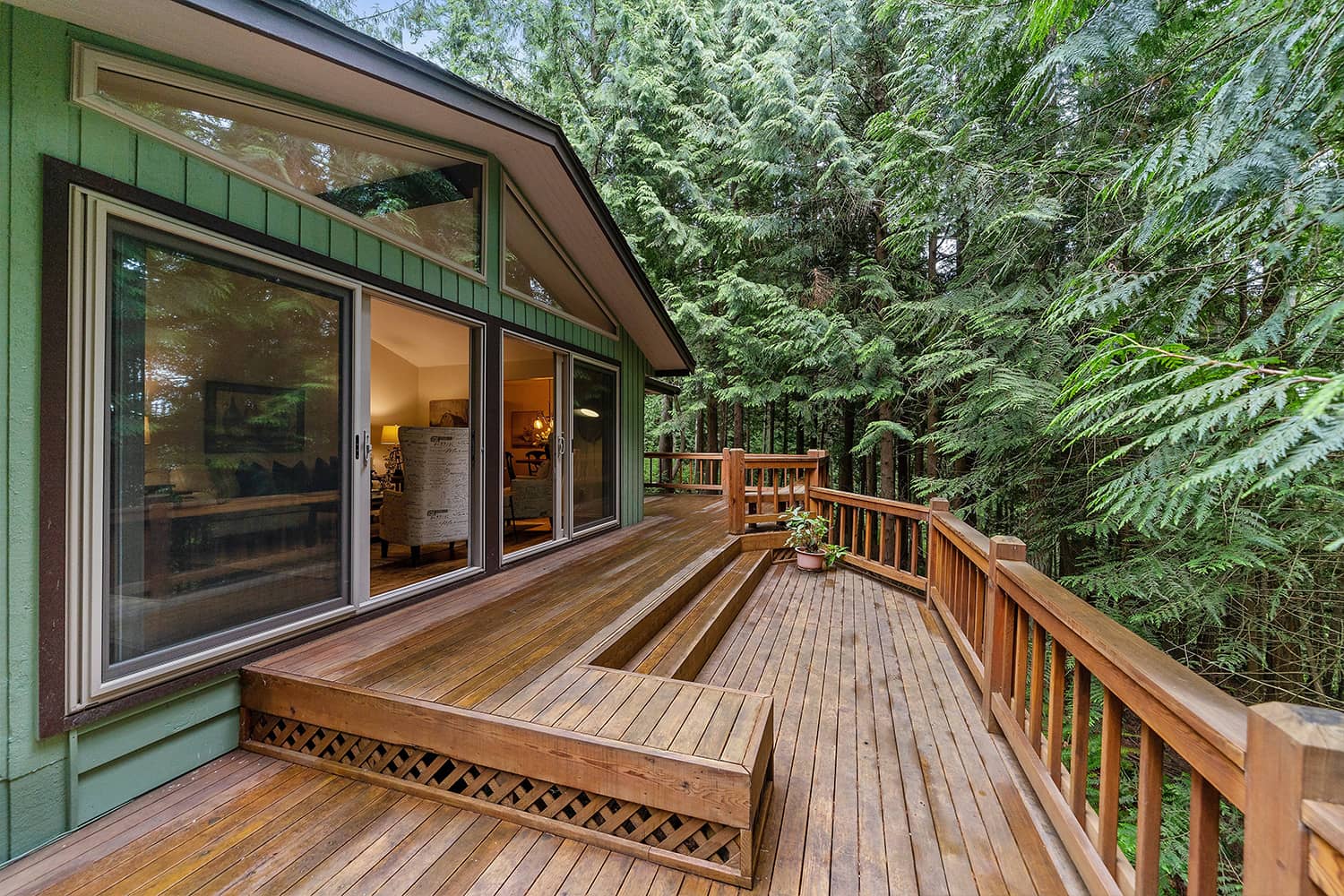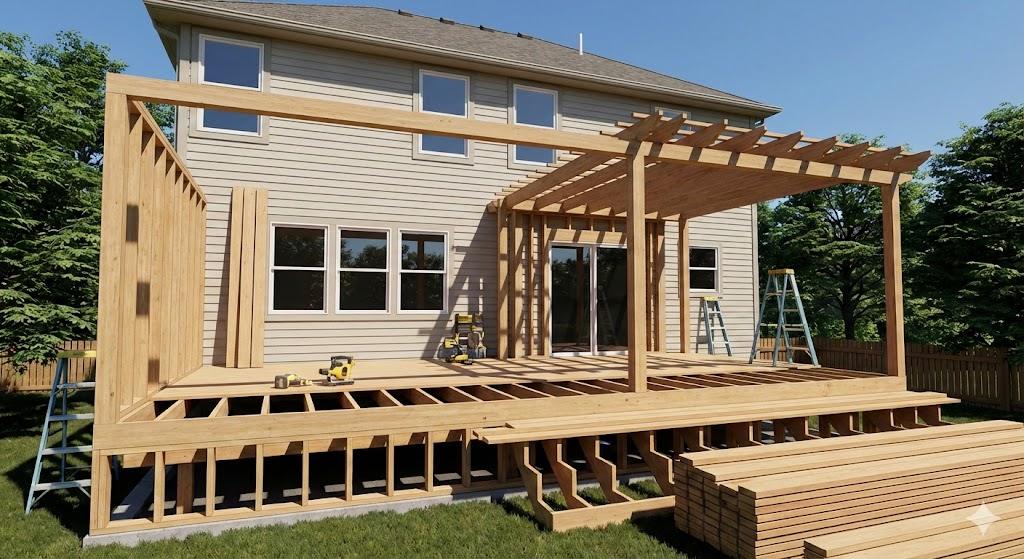
You’ve probably seen it happen before. You drive past a house in your neighborhood, and what used to be a stunning, fresh wood deck has turned into a gray, splintered, warping eyesore in just a few years. It’s frustrating. It’s a waste of money. And in Pennsylvania, where we deal with humid summers and freezing, snowy winters, standard pressure-treated lumber often just doesn’t compare to modern decking options for the long haul.
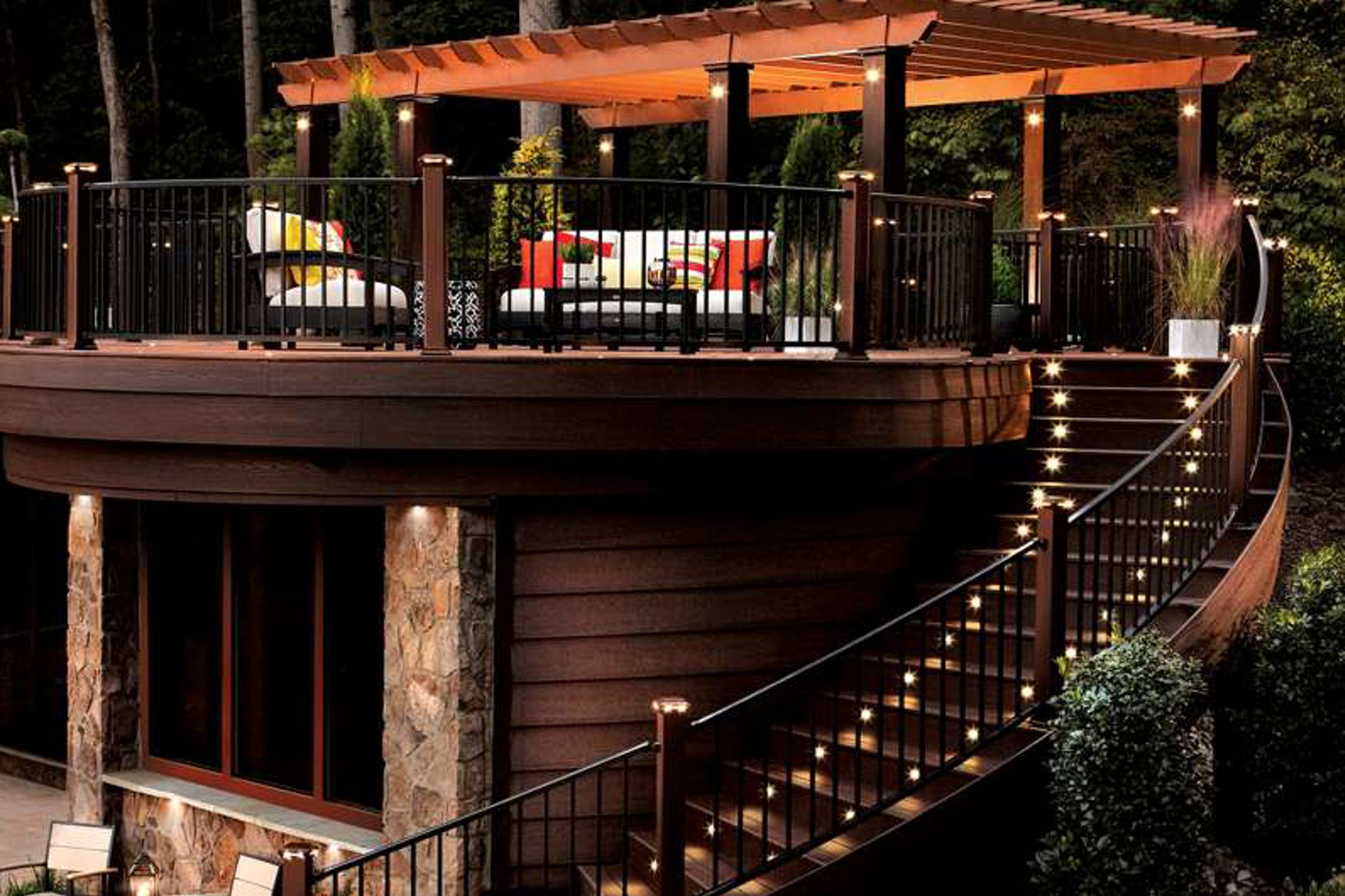
This is exactly why discerning homeowners in Bucks County and Montgomery County are shifting their focus toward high-end hardwood decks.
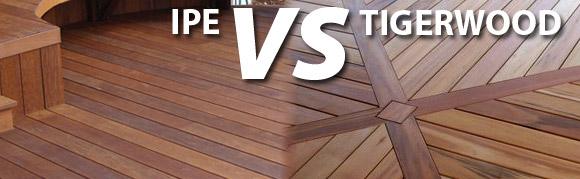
If you are looking for a deck that lasts decades rather than years, you have likely narrowed your search down to the heavyweights of the decking world: Ipe (Brazilian Walnut) and Tigerwood (Goncalo Alves). But with the premium price tag attached to these exotic woods, a big question remains. Are they actually worth it?
Let’s break down the pros, the cons, and the honest truth about installing exotic hardwood in the Northeast.
Why Choose Hardwood Decks Over Standard Lumber?
Before we throw Ipe and Tigerwood into the ring, we need to understand why you would spend the extra money on hardwood in the first place.
Standard pressure-treated pine is soft. It absorbs water. In PA, that water freezes in January, expands, and cracks the wood. Over time, this cycle destroys the structural integrity of the deck boards.
Hardwood decks are different. These woods come from the tropics and are incredibly dense. They are naturally resistant to:
- Rot and decay
- Insect attacks (termites hate them)
- Mold and fungus
- Fire (many possess a Class A fire rating, same as concrete)
When you invest in hardwood, you aren’t just buying wood; you are buying longevity. A well-maintained hardwood deck can last 50 to 75 years. That is effectively a lifetime investment. For an eco-friendly choice, we always recommend you choose FSC-certified woods to ensure ethical harvesting.
Contender 1: Ipe Decking (The Iron Wood)
Ipe (pronounced ee-pay) is often cited as the best decking material on the planet. It isn’t hype; the science backs it up.
The Look
Ipe has a rich, dark brown color, often resembling fine interior walnut flooring. It has a tight grain and offers a sophisticated, uniform look. It screams “luxury.”
The Strength
Ipe is incredibly hard. On the Janka Hardness Scale (which measures resistance to denting), Ipe scores roughly 3,680. For context, Red Oak—a common flooring wood—scores about 1,290.
This extreme density means Ipe decking is virtually scratch-proof. If you have a big dog that likes to run across the deck, or if you drag heavy patio furniture around, Ipe won’t even flinch.
The Durability Factor
Because it is so dense, water cannot penetrate it easily. This makes it perfect for Pennsylvania. When we get those heavy July thunderstorms or the February slush, the moisture sits on top rather than soaking in.
Pros of Ipe:
- Lasts 75+ years with care.
- Class A fire rating.
- Doesn’t splinter easily (great for bare feet).
- Resistant to almost all physical damage.
Cons of Ipe:
- Cost: It is one of the premium investments detailed in our 2025 cost guide, but the longevity justifies the price.
- Installation: It is so hard that you cannot just hammer a nail into it. You must pre-drill holes, which increases labor time.
- Weight: It is heavy, requiring a sturdy frame.
Contender 2: Tigerwood (The Exotic Beauty)
If Ipe is the “tank,” Tigerwood is the “sports car.” It is strong, but you buy it primarily for how it looks.
The Look
Tigerwood is unmistakable. It features a vibrant reddish-orange to golden-brown hue with bold, dark black or brown streaks—much like a tiger’s stripes. No two boards look the same. If you want a deck that acts as a conversation piece and stands out from every other deck on the block, this is it.
The Strength
Tigerwood is also very hard, scoring roughly 2,160 on the Janka scale. You can check the Tigerwood (Goncalo Alves) technical specs to see that while it isn’t as rock-hard as Ipe, it is still nearly twice as hard as domestic Oak and significantly stronger than Cedar or Pine.
The Stability
One thing to note about Tigerwood is that it can be slightly more prone to movement (expansion and contraction) than Ipe if not installed correctly. However, in the hands of skilled builders, it is an exceptionally stable product.
Pros of Tigerwood:
- Stunning, unique visual appearance.
- Lasts 30–50+ years.
- Highly resistant to rot and bugs.
- Generally more affordable than Ipe (though still premium).
Cons of Tigerwood:
- Color Change: Like all wood, it turns gray if not oiled, but Tigerwood loses its distinct stripes if you let it weather.
- Availability: High-quality Tigerwood can sometimes be harder to source than Ipe.
Head-to-Head: Ipe vs. Tigerwood Comparison
To help you visualize the difference, here is a quick breakdown of how these materials stack up against each other.
| Feature | Ipe Decking | Tigerwood Decking |
| Janka Hardness | ~3,680 lbs (Extremely Hard) | ~2,160 lbs (Very Hard) |
| Primary Color | Deep Walnut Brown | Golden/Red with Dark Stripes |
| Estimated Lifespan | 50–75+ Years | 30–50+ Years |
| Maintenance | Low (Oil for color, or let gray) | Moderate (Must oil to keep stripes) |
| Price Point | $$$$(Highest) | $$$ (High) |
| Rot Resistance | Extreme | Excellent |
The “PA Weather” Test: Which Wins?
Living in Pennsylvania means your deck has to survive four very distinct seasons.
Winter:
Ipe wins here by a slight margin. Its density is so high that freeze-thaw cycles affect it very little. However, both woods are vastly superior to composites (which can become brittle in freezing) or pine (which cracks).
Summer:
Both woods resist heat retention better than plastic composites. You can walk on a hardwood deck in August without scorching your feet. However, because they are dark woods, they will still get warm.
The Verdict:
If your budget allows and you want a “install it and forget it” structure that lasts a lifetime, Ipe decking is the winner. If you want a unique aesthetic and want to save a little on material costs while still getting a high-performance deck, Tigerwood is a fantastic runner-up.
The Elephant in the Room: Maintenance
There is a myth that exotic hardwoods are “zero maintenance.” That is not entirely true.
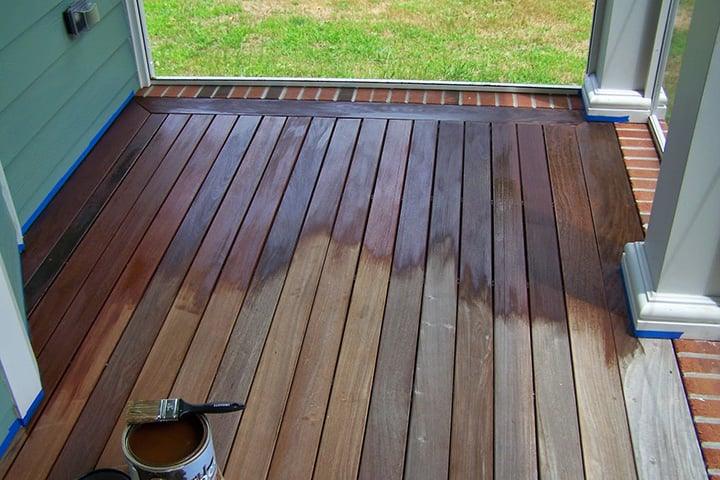
Technically, you can do zero maintenance. If you install an Ipe or Tigerwood deck and never touch it again, it won’t rot. It won’t fall apart. But, it will turn a silvery-gray color due to UV exposure. This is a natural patina that many coastal homes embrace.
However, most homeowners in Bucks and Montgomery counties choose these woods for their rich colors. To keep that deep brown of the Ipe or the vibrant orange of the Tigerwood, you need to follow a simple deck maintenance routine once a year.
The Process:
- Clean the deck (soap and water).
- Let it dry.
- Apply a coat of oil.
- Wipe off the excess.
It’s a simple afternoon job, but it’s necessary if you want to maintain the “showroom” look.
Why Installation Expertise Matters
This is where many homeowners run into trouble. You cannot hire a standard handyman to install these woods.
Because Ipe and Tigerwood are so dense, they wreak havoc on standard tools. They dull saw blades in minutes. If the installer doesn’t use the correct stainless steel screws or hidden fastener systems, the fasteners will snap, or the wood will stain black around the screw heads (a reaction to non-stainless metal).
When searching for “wood deck builders near me,” ensure you know the essential questions to ask your contractor about exotic hardwoods.
At Bucks Mont Decks, we know the quirks of these materials. We know how to space the boards to account for PA humidity, and we have the specialized equipment to cut and drill this “iron wood” cleanly. A poor installation can ruin expensive lumber—don’t take that risk.
Frequently Asked Questions
Q: Are hardwood decks slippery?
Both Ipe and Tigerwood have good slip resistance compared to capped composites, which can be slick when wet. However, keeping them clean aligns with NADRA safety guidelines and is key to maintaining traction.
Q: Can I pressure wash my exotic hardwood deck?
You should be very careful. While the wood is hard, a high-pressure stream can still raise the grain or leave lap marks. We recommend a garden hose and a scrub brush, or a very low-pressure setting if you must use a washer.
Q: Is the cost really worth it compared to composite?
Composite has come a long way, but it is still plastic (or a blend). It can scratch, fade, and sag over time. Hardwood is natural, can be refinished, and structurally lasts longer. If you plan to be in your home for 10+ years, the ROI on hardwood is undeniable.
Conclusion
So, are exotic hardwood decks worth the cost in PA?
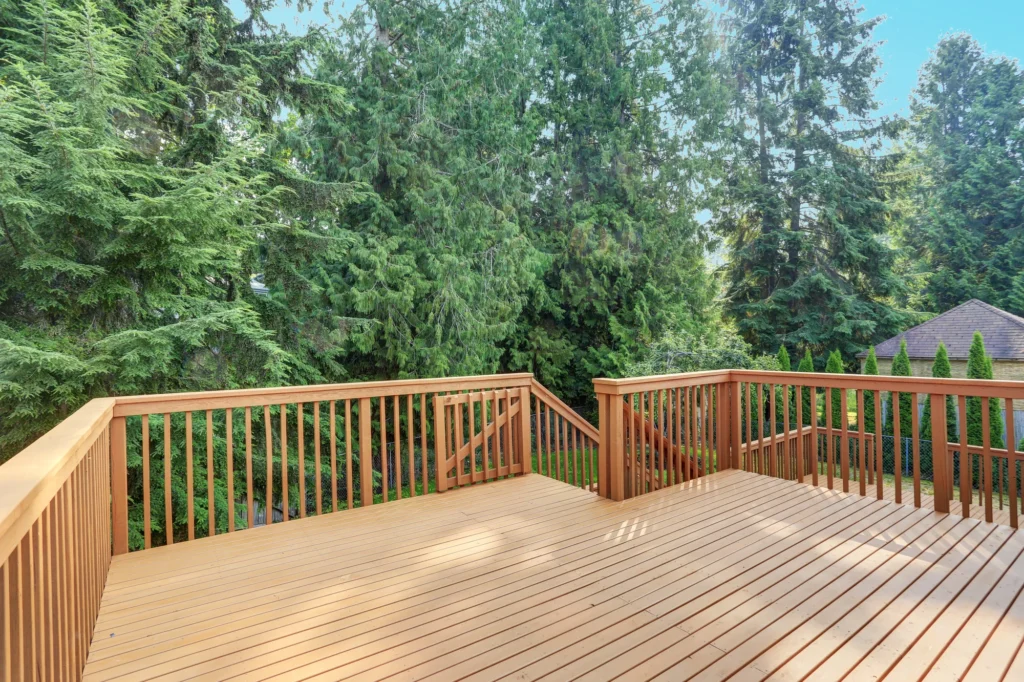
If you value natural beauty, incredible durability, and adding a feature to your home that will likely outlive your mortgage, the answer is a resounding yes. While the upfront cost of Ipe or Tiger wood is higher than pressure-treated lumber, the lack of replacement costs and the sheer enjoyment of the space pay for itself over time.
Whether you fall in love with the durability of Ipe or the wild beauty of Tigerwood, you are making a solid investment in your home’s value.
Ready to transform your backyard?
Don’t let another season pass with a lackluster outdoor space. If you are looking for experienced wood deck builders near me, look no further.
Request your free consultation today. Let’s build something beautiful that lasts.