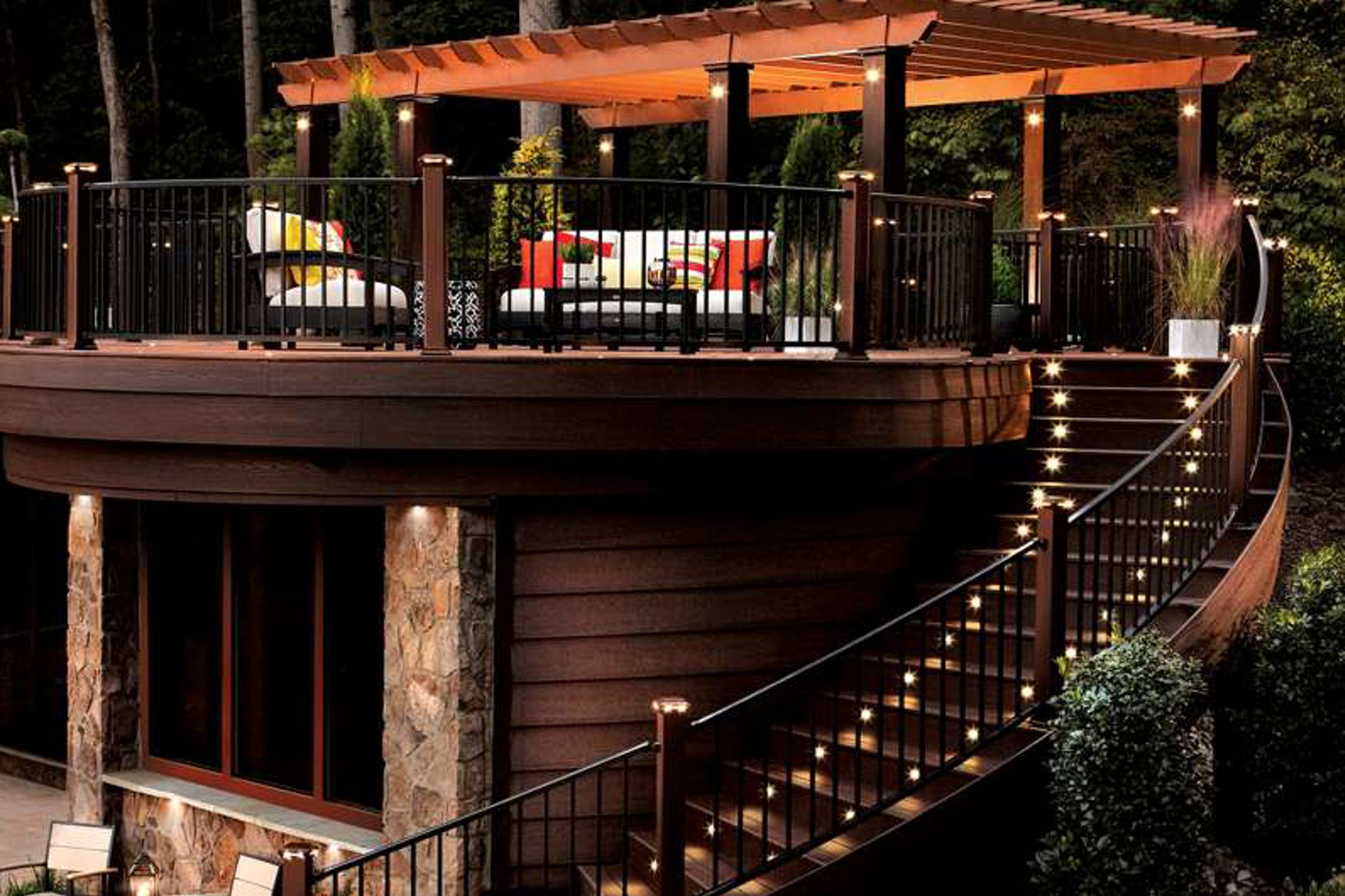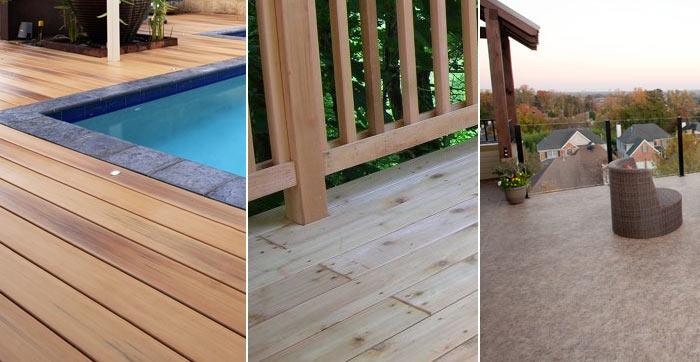
Did you know the average deck in Pennsylvania endures temperature swings of over 80 degrees between winter freezes and summer heatwaves? That kind of stress can warp, crack, or fade inferior products in just a few seasons. If you are planning a backyard renovation this year, choosing the right foundation is the most critical decision you will make.
In this guide, we will break down the top contenders for 2026. You will learn exactly how decking materials like aluminum, vinyl, and hardwoods stack up against each other, helping you avoid costly mistakes and build an outdoor space that lasts.
Why Your Material Choice Matters More Than Ever
For homeowners in Pennsylvania, the climate dictates the lifespan of your deck. We experience humid summers, rainy springs, and snowy winters. The wrong material can lead to endless maintenance cycles or premature rotting.
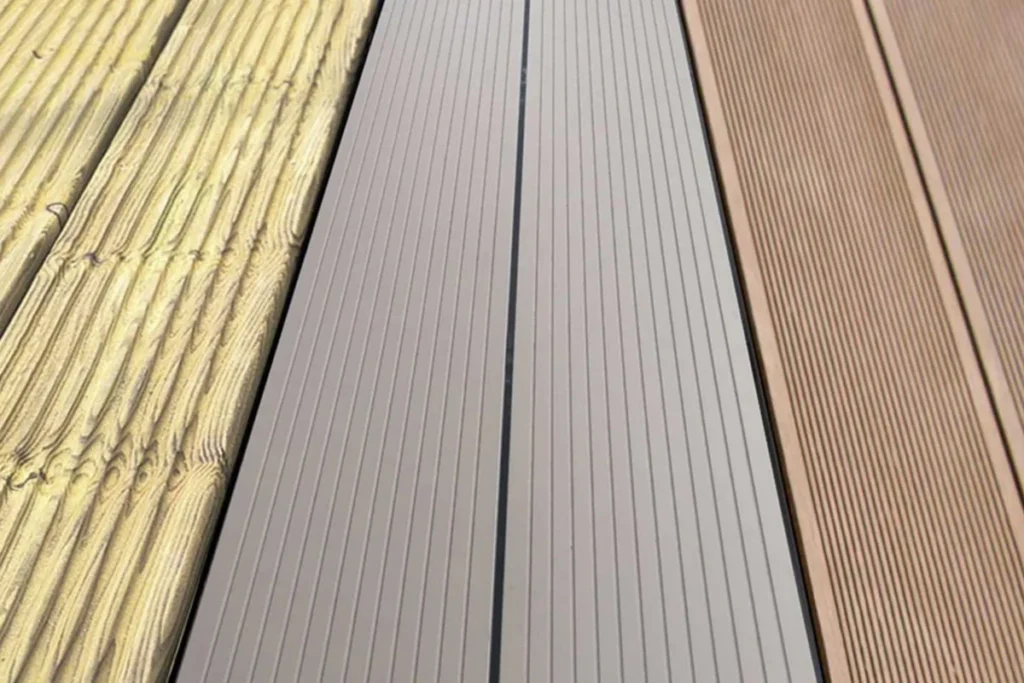
When evaluating decking materials, you need to look beyond the initial price tag. You must consider longevity, maintenance requirements, and how the surface feels under bare feet on a hot July afternoon. Let’s dive into the three major categories shaping the market in 2026.
1. Hardwood Decking: The Timeless Classic
There is an undeniable charm to real wood. It offers a warmth and authenticity that manufactured products strive to replicate. However, when we talk about high-end wood decking, we aren’t talking about standard pressure-treated pine. We are referring to premium tropical hardwoods like Ipe, Mahogany, or Tigerwood.
The Pros
- Aesthetics: Nothing beats the rich, natural grain of genuine hardwood. It ages gracefully, often turning a distinguished silver-gray if left untreated.
- Durability: Unlike softwoods, tropical hardwoods are incredibly dense. They naturally resist rot, insects, and decay for decades.
- Strength: Ipe, for instance, is so hard it has a fire rating similar to concrete and steel.
The Cons
- Maintenance: This is the big one. To keep that rich color, you need to oil and seal the deck annually. Neglecting this turns your investment gray and can lead to surface checking.
- Cost: Importing tropical hardwoods is expensive, and the labor costs are higher because the wood is difficult to cut and pre-drill.
- Heat Absorption: Dark woods can get very hot in direct sunlight, which might be a concern for south-facing backyards.
2. Vinyl (PVC) Decking: The Low-Maintenance Leader
Vinyl decking, specifically cellular PVC, has surged in popularity for those who want a “set it and forget it” solution. Unlike older plastic decks that looked shiny and fake, 2026 PVC options feature realistic grain patterns and matte finishes.
The Pros
- Zero Organic Content: Because it contains no wood flour, PVC is impervious to mold, mildew, and termites. It simply cannot rot.
- Cooler Surface: Many high-end PVC lines offer technology that stays cooler to the touch than wood decking or dark composites.
- Lightweight: It is easier to handle and puts less dead load on your frame compared to heavy hardwoods.
The Cons
- Expansion/Contraction: PVC moves more with temperature changes than wood. Professional installation is crucial to manage gaps and fasteners correctly.
- Price: Premium PVC is often the most expensive option upfront, rivaling the cost of exotic hardwoods.
- Aesthetic Preference: While improved, some homeowners still feel it lacks the acoustic “thud” and solid feel of real timber.
3. Aluminum Decking: The Indestructible Option
Aluminum is the dark horse of the decking world. While often associated with commercial spaces or docks, it is gaining traction in residential markets for specific needs.
The Pros
- Waterproof: Many aluminum systems feature interlocking boards that create a dry space underneath—perfect for second-story decks.
- Fireproof: It is non-combustible, making it the safest choice for areas prone to wildfires or for grilling zones.
- Longevity: It won’t rust, rot, warp, or crack. Ever. It is a true lifetime material.
The Cons
- Industrial Look: Even with wood-grain powder coating, it looks and feels like metal. It lacks the cozy vibe most homeowners want.
- Cost: It is generally the most expensive option on this list.
- Noise: Rain or heavy footsteps can create a metallic “ping” sound, which some find distracting.
Comparing the Contenders
Here is a quick snapshot of how these materials compare for a typical Pennsylvania home.
| Feature | Hardwoods (Ipe) | Vinyl (PVC) | Aluminum |
| Lifespan | 40+ Years | 30-50 Years | 50+ Years |
| Maintenance | High (Annual Oiling) | Low (Soap & Water) | Low (Cleaning only) |
| Rot Resistance | Excellent | Superior (Impervious) | Superior (Impervious) |
| Heat Retention | High | Low to Medium | Low (Dissipates heat) |
| Cost | $$$ | $$$$ | $$$$$ |
Where Do Composite Decking Options Fit In?
You might be wondering about composite decking options. Composite sits right in the middle, blending wood fibers with plastic. It offers a balance of durability and cost, often serving as the go-to alternative for those who want the look of wood without the maintenance of Ipe, but at a lower price point than pure PVC or Aluminum.
While this guide focused on the extremes—the natural beauty of wood, the synthetic purity of vinyl, and the rigidity of aluminum—composite remains a massive part of the conversation. Brands like Trex have revolutionized this space, offering deep grain patterns that rival hardwoods. If you are looking for a middle ground that handles Pennsylvania winters well, composite is worth a conversation with your contractor.
Frequently Asked Questions
Q: Which material increases home value the most?
A: generally, high-quality decking materials like Ipe or premium PVC yield the best ROI. However, the design and craftsmanship matter just as much as the board itself. For a deeper dive, read our guide on how a new deck increases home value.
Q: Can I install these materials myself?
A: We strongly advise against it for these specific materials. Hardwoods require special carbide blades; PVC needs precise gapping for thermal movement; and aluminum requires specialized cutting tools.
Q: Is aluminum decking slippery when wet?
A: Most residential aluminum decking comes with a textured, powder-coated finish specifically designed to provide traction, even in the rain.
Conclusion
Choosing between aluminum, vinyl, and hardwoods comes down to your lifestyle. Do you love the ritual of caring for natural wood, or do you want a maintenance-free backyard? Are you looking for the warmth of timber or the cool touch of PVC?
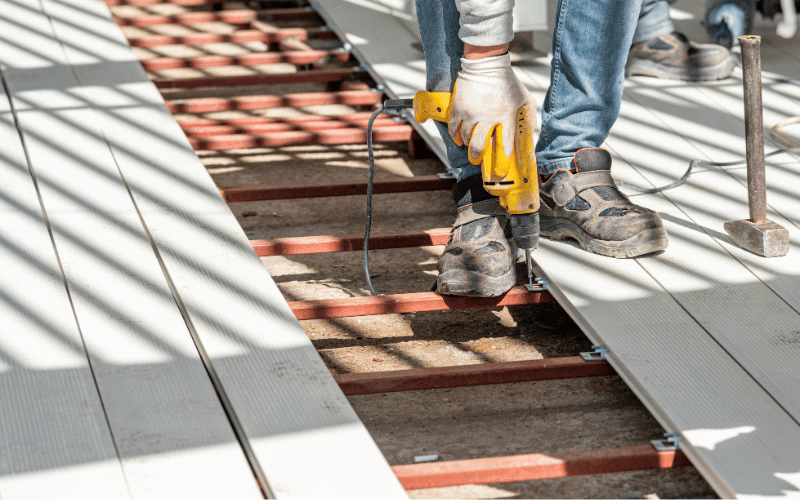
No matter which path you choose, the quality of the installation is just as important as the material itself. A poor install can ruin even the most expensive Ipe board.
Ready to transform your outdoor living space?
At BucksMont Decks, we specialize in designing and building custom decks that withstand our local climate while looking stunning year-round. Whether you are leaning towards the durability of PVC or exploring composite decking options, we are here to guide you.
Contact us today at BucksMont Decks for a free consultation and let’s build your dream deck.